PHASE 1: CONCEPTUAL FRAMEWORKAct as a Social Media Art Director and Editorial Product Photographer specializing in high-conversion academic product visuals for Instagram and digital campaigns.Create a premium digital editorial composition that positions this Cahier de Contrôles as the ultimate academic tool.This is not "a notebook." This is "your competitive edge."Visual strategy:Blend academic prestige with smart-purchase urgencyMinimal composition with maximum visual authorityBook + QR codes + key stats as triple hero elementsAesthetic: Refined editorial calm — MUJI meets Apple product photography, color-anchored to the book's own cover palettePHASE 2: SUBJECT & PHOTOGRAPHYSubject: Cahier de Contrôles relié, 266 pages, couverture épuréePose Energy: Slightly open at 15°, spine visible, pages fanning naturallyHero Product: Full book body with emphasis on cover texture + binding detailPhotography Style: Clean high-resolution, Hasselblad-inspired qualityCamera Angle: Slight top-front 3/4 angle (academic authority + product clarity)Crop: Full book visible with generous breathing roomOptional Prop: A single uncapped fountain pen resting diagonally — minimal, aspirationalPHASE 3: COLOR EXTRACTION & BLOCKING FOUNDATIONColor Source: Extract the dominant and accent colors directly from the book's cover design. Use these as the entire composition's color palette — the visual world around the book must feel like a natural extension of the cover itself.Primary Color Blob: Dominant cover color (background/hero shape)Secondary Accent: Secondary or contrast color from the cover (badges, typography accents)Highlight Tone: Lightest neutral from cover (breathing space, footer strip)Size: ~45% of compositionShape Style: Smooth organic paper-tear or soft geometric block (refined, not aggressive)Texture: Subtle linen/paper grain overlay (10–15% opacity)Placement: Diagonal behind book (bottom-left → top-right flow)PHASE 4: GRAPHIC ELEMENTS LAYERQR code cards (bold, high contrast) — PRIMARY graphic elementStat badges (see Phase 5 for content) — SECONDARY graphic layerMinimal horizontal rule accents framing the bookSoft warm shadow beneath book (grounded, editorial)Rules:All graphic element colors pulled from the extracted cover paletteQR cards: lower-right cornerStat badges: upper-left or left side, stacked verticallyScale: QR cards = second-largest visual element after bookPHASE 5: TYPOGRAPHY & BOOK INFORMATION INTEGRATIONLogo/Series Title: Top-left (clean, small)Headline: "MAÎTRISEZ VOS CONTRÔLES"Sub-headline: "Le cahier qui structure votre réussite"Key Stats Block — display as bold badge cards, visually prominent:📄 266 Pages — volume & substance🧾 56 Contrôles – S1 — semester coverage🧠 2 295 QCM — classées selon les cours🗣 15 Contrôles TD / Orale — preparation complèteSupporting Copy:"Sommaire complet · Vidéo démo incluse""Reliure premium · Papier grain fin"CTA: "SCANNEZ POUR DÉCOUVRIR →"Type Treatment:Clean bold sans-serif (Inter, Helvetica Neue), strictly horizontal, 0° rotationStats badges: number in large bold, label in small regular weight belowHierarchy: Headline → Stats Block → Book → QR Codes → Supporting copy → CTAPHASE 6: TEXTURE & BACKGROUNDBase: Lightest neutral extracted from the cover (warm white, pale blue, soft grey — whatever the cover yields)Texture: Subtle paper grain + faint wood or linen surface suggestion beneath bookRule: Very controlled — premium editorial feel, no digital noisePHASE 7: COMPOSITION RULESLayout: Book center-left, stats badges left column, QR cards lower-rightBreathing Room: 25% clean space on all sidesLayering: Background → Texture → Color blob → Shadow → Book → Stat badges → QR cards → TypographyFocal Split:55% book + headline25% stats block20% QR codes + CTAMovement: Eye flows → cover → stats badges → QR codes → CTAPHASE 8: BRAND INTELLIGENCEPremium academic publisher aesthetic:Ultra-clean layoutStrong trust signals (exact page count, QCM count, semester specificity)The four stats (266 / 56 / 2295 / 15) are the conversion triggers — treat them like a price tag in a car ad: they must be impossible to missZero visual clutter — every element earns its placePHASE 9: SOCIAL MEDIA FOOTERBottom strip: lightest color from cover paletteContent:📘 266 pages · 56 Contrôles S1 · 2 295 QCM · 15 TD/Orale🔗 Scannez les QR codes — Sommaire & Vidéo démo✅ Disponible maintenantLayout: Minimal centered single line, thin top divider in cover accent colorTECHNICAL SPECS:4:5 ratio (Instagram optimal)2400×3000px minimumsRGB color spaceUltra-sharp focus on cover texture + QR code readabilityQR codes: pure black on white, minimum 300×300px each, zero distortionStat badges: legible at thumbnail size (minimum 18px equivalent)Color palette: 100% derived from cover — no external color choicesControlled paper grain — 8–12% opacity maxStyle: Editorial minimalism × academic premium aestheticFINAL OUTPUT MOOD:Prestigious. Trustworthy. Data-rich. The notebook serious students choose — and the numbers prove it.
AutoAGC workflow
Turn it into a reusable workflow
Copy the prompt text and keep the role, task, model, style, and output constraints.
Paste it into GPT Image or a comparable model with your reference material or workflow brief.
Replace the final constraints for output format, brand voice, language, and execution objective.

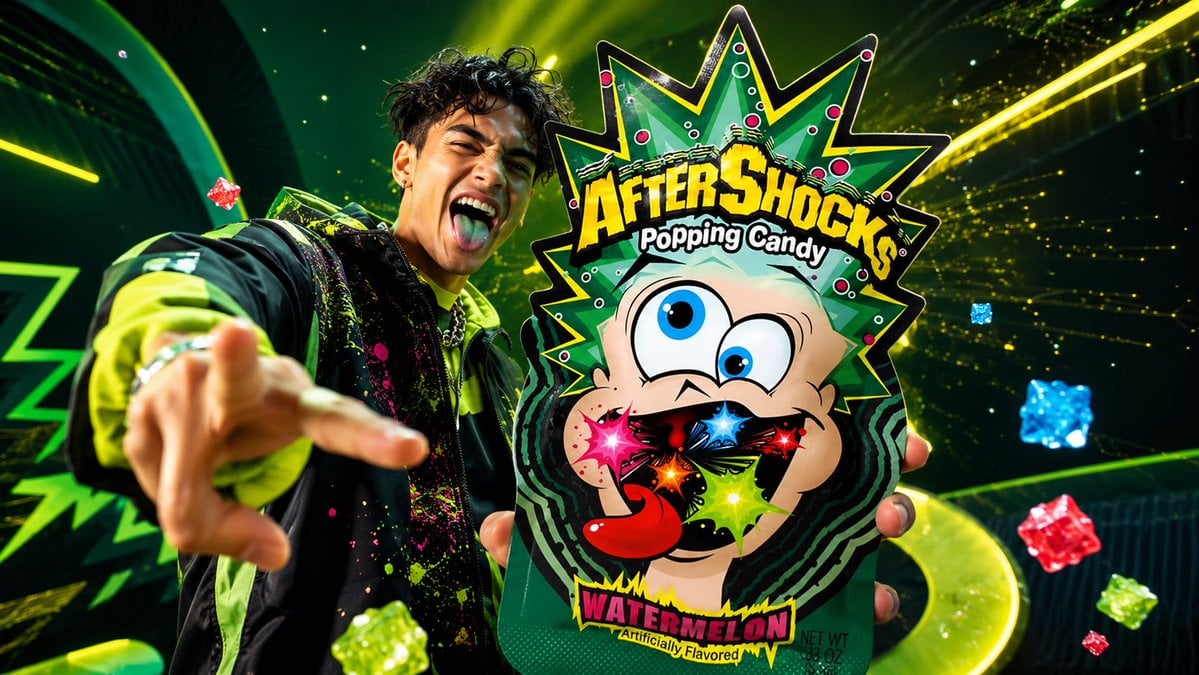 GPT ImageUse the uploaded product image as the one and only produc...@AZIZ | AI 🇸🇦
 GPT ImageDesign a premium, ultra-realistic commercial advertising ...@Abkr Sadiq
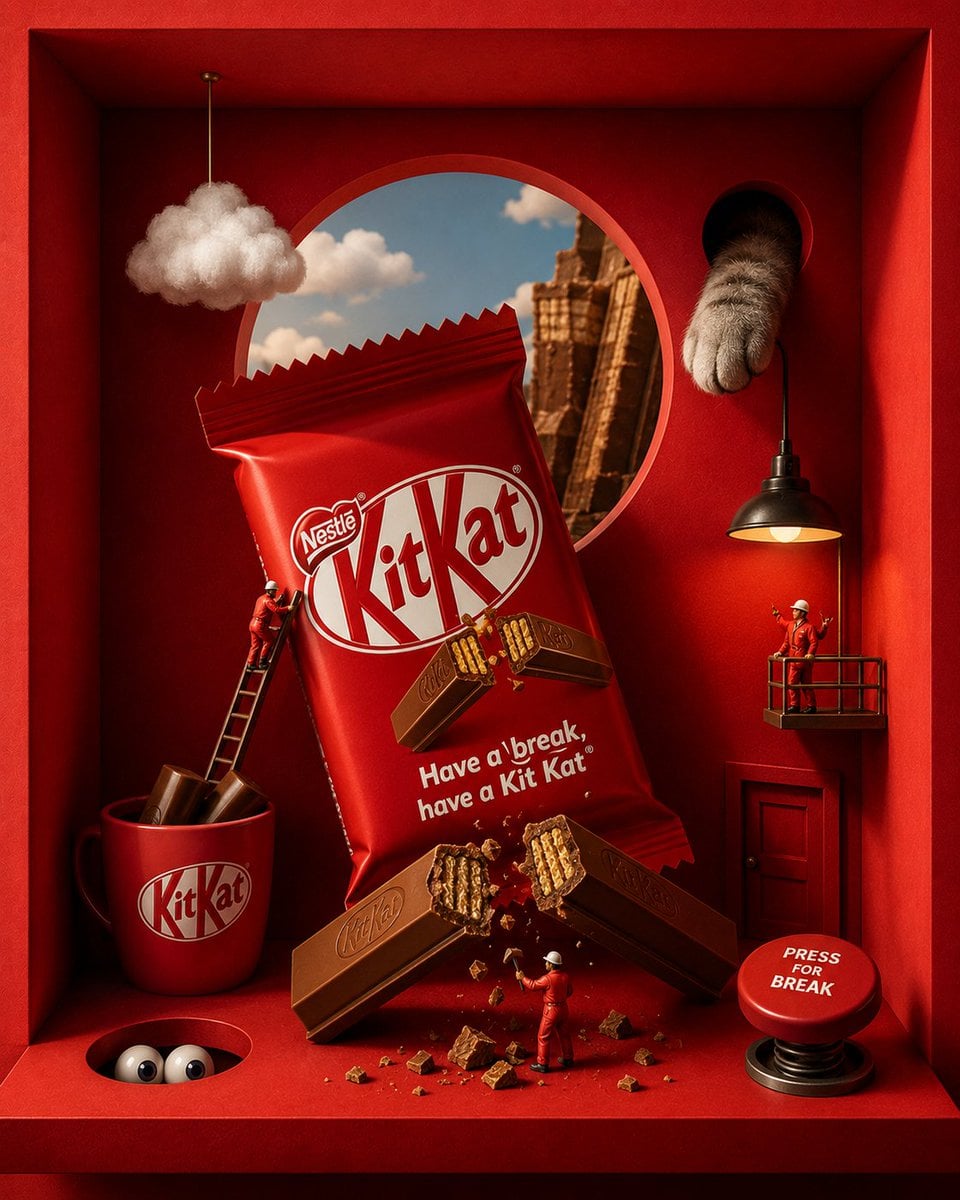 GPT ImageACT AS: A world-class luxury commercial art director, surreal product photographer, cinematic set designer, and premium AI advertising stylist creating hyper-detailed boxed-diorama brand ads for famous snack and candy brands.@Mira
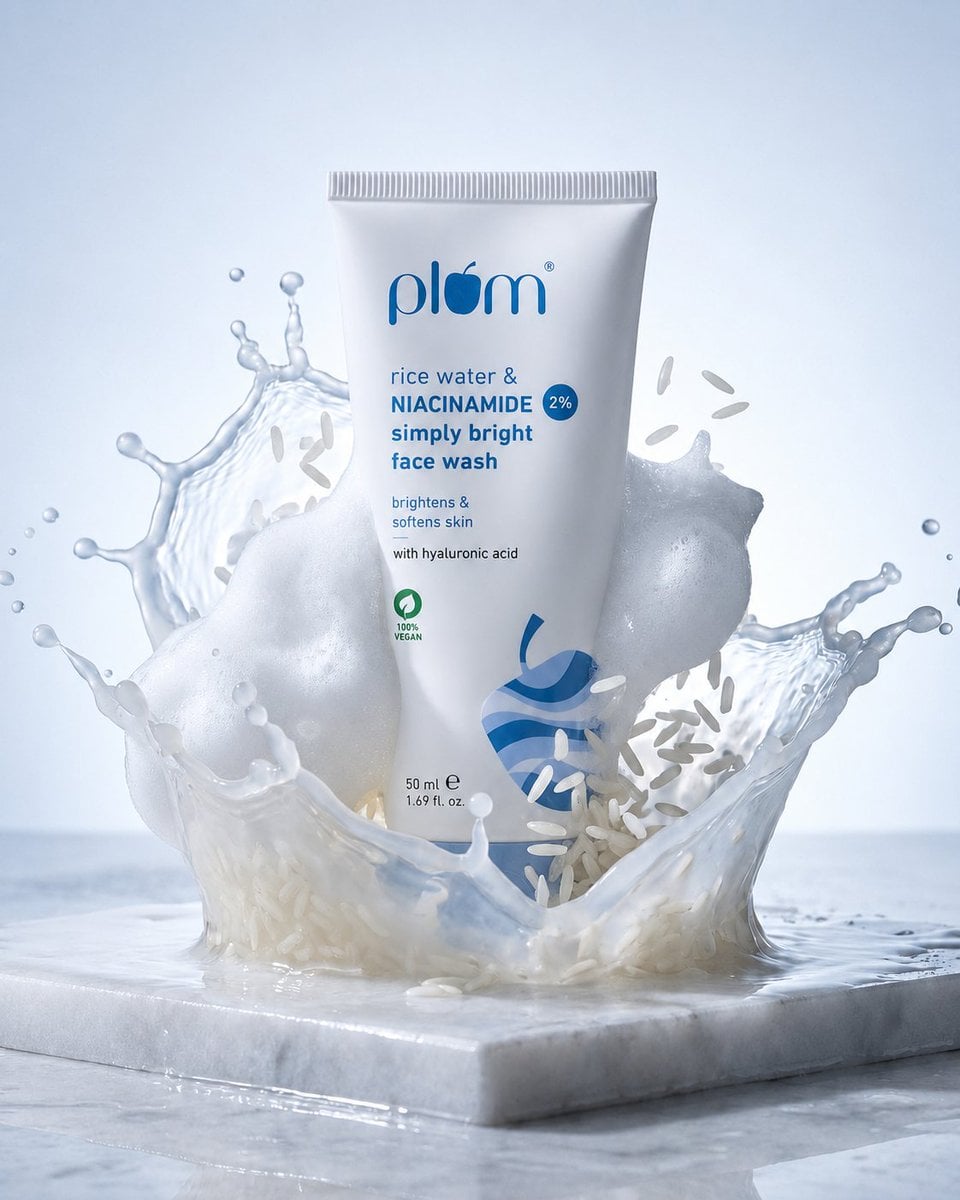 GPT ImageMeiGen Product Prompt 2063093177972932750@Maercih