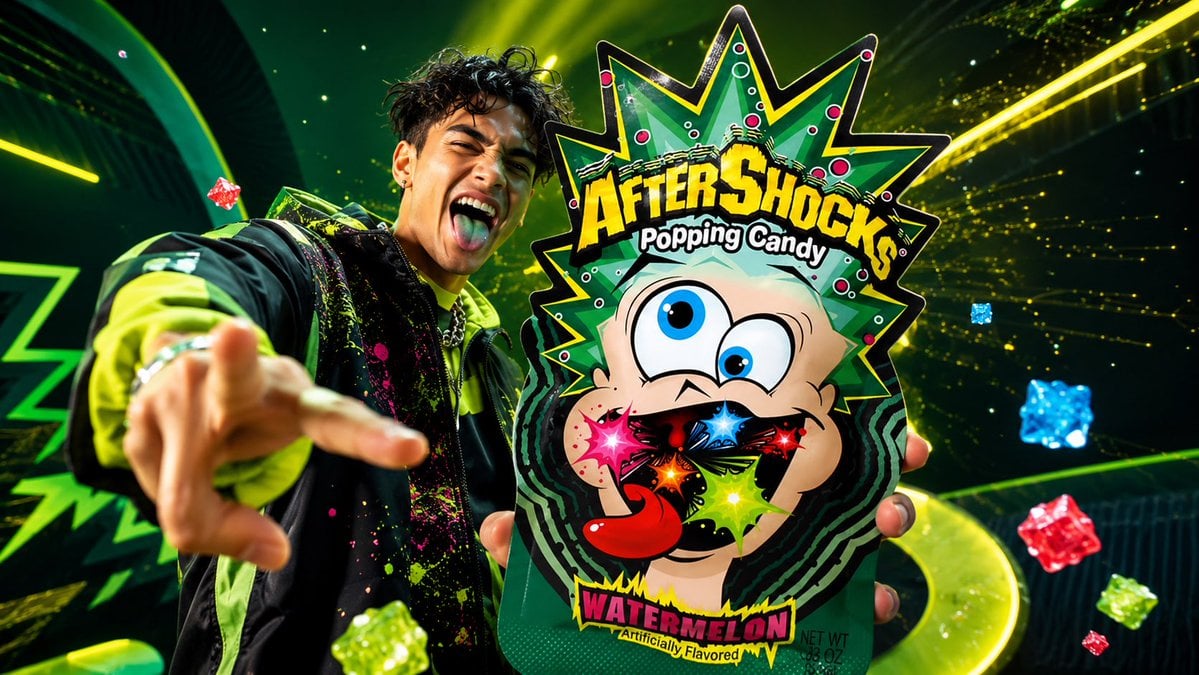
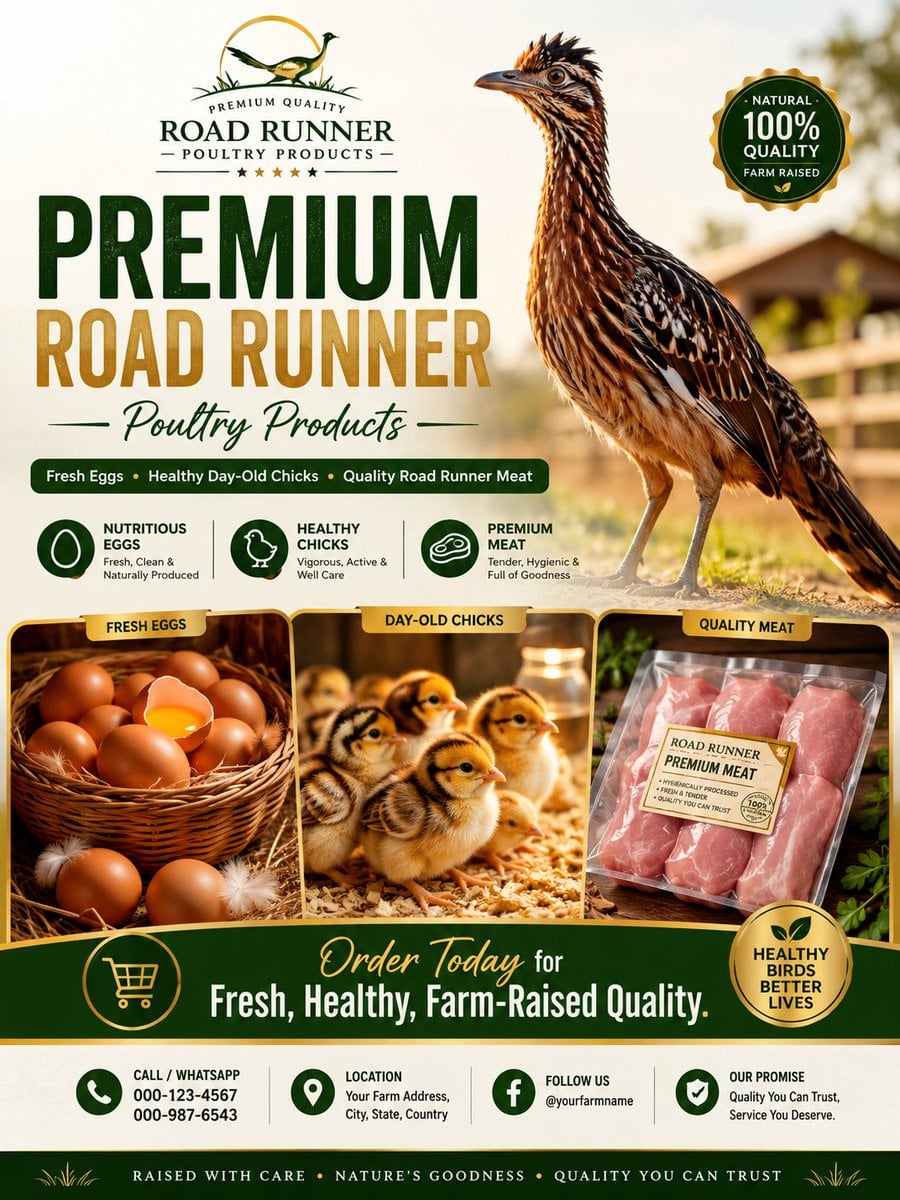
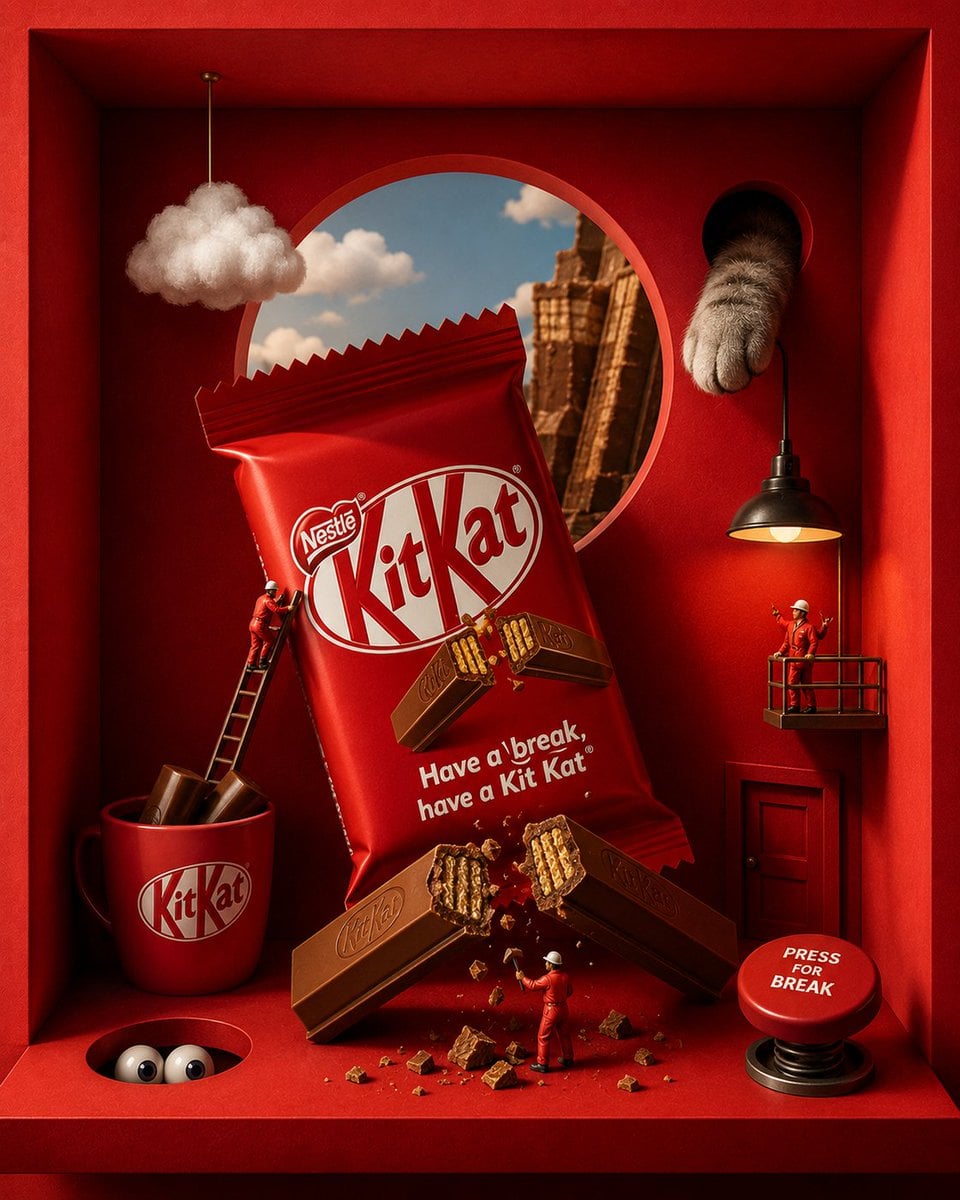
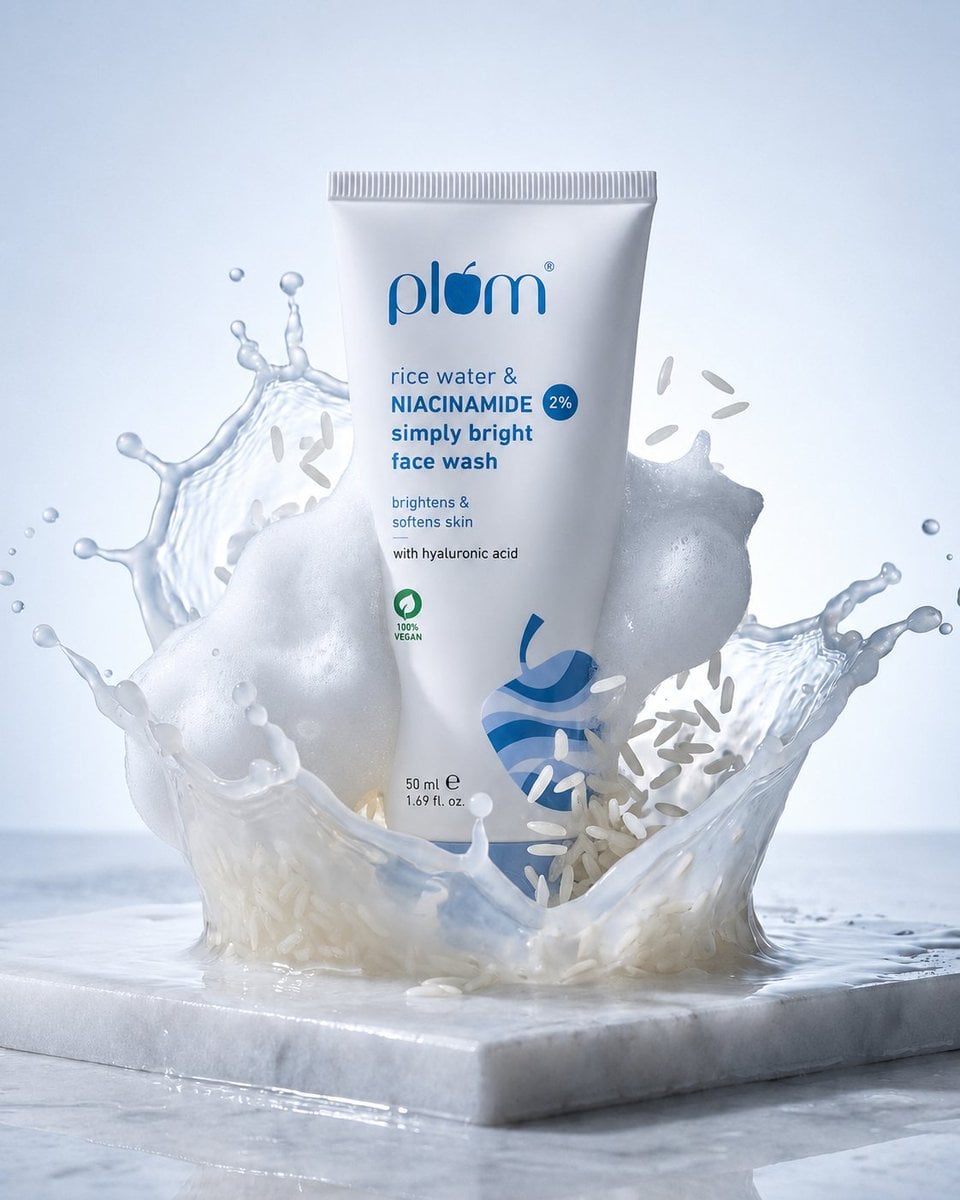
[Theme]: [Product Type] New Product Promotion Poster [Brand Name]: [Brand Name] [Product Name]: [Product Name] [Main Headline (Large Text)]: [e.g., SCENT / TIME / SOUND / EXPLORE] [Sub-headline]: [A short, catchy slogan] [Color Palette]: [Primary Color + Secondary Color + Accent Color] [Subject/Model Type]: [e.g., No models / Male model / Female model / Trendy figure / Outdoor enthusiast] [Scene/Atmosphere]: [e.g., Fragrance space / Time tunnel / Sound wave trajectory / Mountain terrain] [Key Selling Points]: [Point 1], [Point 2], [Point 3], [Point 4] [Aspect Ratio]: Vertical 3:4 Please generate a high-definition commercial advertising poster in a vertical 3:4 aspect ratio (single image only; no collages or multi-panel layouts). This is a promotional poster for an original, fictional brand; do not include logos of real-world brands. The overall style is a "product-focused poster featuring large-scale, perspective-driven typography." The image should resemble the key visual of an official brand campaign, conveying a professional commercial aesthetic, strong typographic design, a sense of product launch excitement, visual impact, and a comprehensive information layout. The core subject of the image is the [Product Name]. The product must be rendered clearly and exquisitely—like a "hero product" in an advertisement—positioned in the foreground or the lower-center area. It should feature realistic materials, structural integrity, and sharp details; it must not appear too small or blurry. Incorporate appropriate figures or usage scenarios based on the product type (e.g., male/female models, trendy individuals, outdoor enthusiasts, or actions/moods associated with the user). Models should look authentic and sophisticated, reinforcing the brand's identity without overshadowing the product itself. The main headline ([Main Headline (Large Text)]) must serve as the visual backbone of the composition, utilizing an oversized, bold sans-serif typeface that dominates the frame. The text should not merely be a standard heading but an integral part of the image's spatial structure—transforming into elements such as a background wall, a track, a highway, a ramp, a time tunnel, a sound wave path, a fragrance-filled space, a mountain trail, a perspective-shifting installation, or a key brand symbol. The product, the figure, and the headline must share a unified spatial logic, establishing realistic foreground-background relationships, occlusion, contact shadows, and perspectival depth. The composition must incorporate a complete, formal poster information system; it should not look empty or like a generic stock image. Place the brand name in the top-left corner and campaign sub-text (e.g., NEW RELEASE / PRODUCT CAMPAIGN / SERIES 2026) in the top-right. Include vertical text, product codes, series numbers, or campaign IDs along the side. Add 3–5 concise feature/selling-point tags near the product (e.g., [Feature 1], [Feature 2], etc.). Include a formal information bar at the bottom containing the product name, subtitle, release date, key specifications, fine-print credits, divider lines, and decorative barcodes or serial numbers. Small text may function as stylistic "micro-typography"_not every character needs to be perfectly legible, but the brand name, product name, and main headline must be clear. The color palette should center on a [Primary Tone], with the background crafted to evoke a specific atmosphere—such as a minimalist fashion space, an aromatic mist environment, a metallic/mechanical setting, a neon-lit musical space, an outdoor wilderness, or a snowy, rocky landscape. Subtle elements like light and shadow, mist, reflections, grain, wind effects, atmospheric perspective, motion trails, or material refractions can be added to enhance the premium feel, provided the result remains uncluttered and avoids a cheap e-commerce aesthetic. The image must be high-resolution and sharp, with accurate perspective, realistic textures, and consistent lighting, resembling an authentic brand campaign poster. It is suitable for categories such as perfumes, watches, headphones, digital products, outdoor apparel, sports brands, and consumer goods. Avoid: collages or multi-image composites, actual brand logos, generic stock photos, cheap e-commerce aesthetics, cartoonish styles, cluttered backgrounds, undersized products, artificial-looking faces on figures, flat/generic headline styling, or insufficient information areas.
AutoAGC workflow
Turn it into a reusable workflow
Copy the prompt text and keep the role, task, model, style, and output constraints.
Paste it into GPT Image or a comparable model with your reference material or workflow brief.
Replace the final constraints for output format, brand voice, language, and execution objective.